
How to Stop Hair Loss in Women: Causes, Nonsurgical Options & When to Consider a Hair Transplant
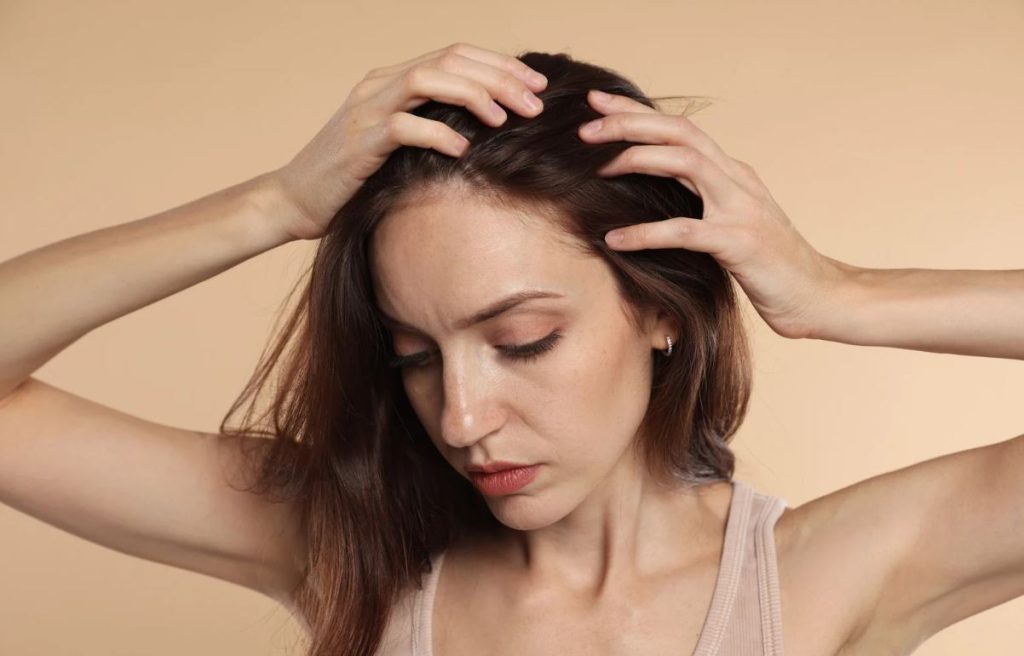
Women’s hair loss can be caused by a lot of factors, including hormonal changes, genetics, stress, nutrient deficiencies, thyroid disorders, certain medications, and even the natural aging process. Over 40% of women experience noticeable hair thinning by age 40.
Most cases can be treated with nonsurgical options like oral or topical minoxidil, stem cell therapies, and Low-Level-Light-Therapy (LLLT). But if thinning has advanced or medical therapies haven’t helped, a hair transplant might be your only option to permanently restore density and confidence.
EXPLORE TOP HAIR RESTORATION OPTIONS FOR WOMEN
The Main Cause of Thinning Hair in Women
The most common cause of hair thinning in women is androgenetic alopecia, also known as female pattern hair loss or genetic hair loss. Unlike men, who often lose hair at the hairline or crown, women typically notice gradual or diffuse thinning on the top and crown of the scalp while keeping their frontal hairline intact. The first signs are usually a widening part, reduced ponytail thickness, or more scalp showing under bright light.
Female pattern hair loss is largely linked to the hormone dihydrotestosterone or DHT which is formed when 5-alpha reductase enzyme converts testosterone to a much more potent androgen in the hair follicle. In genetically susceptible women, DHT binds to hair follicles, causing them to shrink (a process called miniaturization). Over time, these follicles produce thinner, shorter hairs until hair growth eventually completely stops.
While progression is slow and often overlooked, female pattern hair loss is chronic and won’t reverse on its own. Early use of DHT-blocking and follicle-supporting therapies can help slow or stabilize loss.
Other Causes of Women’s Hair Loss That Are Often Overlooked
Many women experience hair loss from overlapping medical, nutritional, and lifestyle factors that go beyond genetics.
Hormonal and endocrine disorders
Thyroid disease (both hypothyroidism and hyperthyroidism), polycystic ovary syndrome (PCOS), and postmenopausal estrogen decline can disrupt the normal hair cycle, pushing more follicles into the shedding phase. Even subtle hormonal shifts from stopping birth control or postpartum changes can precipitate diffuse thinning.
Vitamin-deficiency hair loss
Iron deficiency remains one of the most common correctable causes of chronic hair shedding in women, even without anemia. Low ferritin levels (below 50 ng/mL) have been linked to reduced anagen or growth phase duration in the normal hair growth cycle. Meaning, hair grows for a shorter time before falling out. Vitamin D, zinc, and biotin deficiencies can also contribute, though supplementation should be guided by lab results, not guesswork.
Stress-related hair loss
Telogen effluvium, a temporary but distressing condition, often follows a physiological or emotional stressor such as surgery, illness, a prolonged high fever, rapid weight loss, or prolonged psychological stress or trauma. It typically causes diffuse shedding that peaks two to three months after the trigger. Although it’s reversible, chronic stress or repeated triggers can prolong telogen effluvium, and it may also unmask the genetic predisposition for female pattern hair loss. If hair shedding continues, consult with a hair loss expert to get a proper diagnosis.
Traction Alopecia and Alopecia Areata
Traction Alopecia and autoimmune conditions like Alopecia Areata further complicate the picture. Prolonged tension from wearing tight hairstyles, braids, hair extensions, buns, and ponytails for extended periods of time can cause localized hair loss and scarring. Autoimmune diseases, like Alopecia Areata, occur when the immune system attacks healthy hair follicles, causing patchy or sudden loss.
The best approach for stopping women’s hair loss begins with a thorough diagnostic workup, including scalp evaluation, medical history, and targeted blood tests. If you’re experiencing abnormal hair loss, it’s best to consult with one of our doctors at Ziering Medical.
CONSULT OUR FEMALE HAIR RESTORATION EXPERTS
How to Stop Women’s Hair Loss Without Surgery
Most women can stabilize and even reverse hair loss without surgery when the underlying cause is properly diagnosed. These nonsurgical treatments target the hair growth cycle directly, improving blood flow, extending the growth phase, while reactivating and regenerating dormant follicles.
1. Minoxidil
Minoxidil remains the only FDA-approved medication for female pattern hair loss.There are topical and oral options. It works by increasing blood flow to the scalp and prolonging the anagen (growth) phase of the hair cycle. Oral minoxidil is preferred by patients who struggle with scalp irritation from topical solutions or who are challenged with poor compliance for daily application to the scalp.
2. Low-Level Laser Therapy (LLLT)
Devices like the Ziering LaserCap use medical-grade lasers to stimulate hair follicles and improve scalp health. This light therapy boosts energy inside the cells, reduces inflammation, and helps hair grow thicker and stronger over time. Using the Z Cap consistently, about 30 minutes 3 times a week, can noticeably increase hair diameter and density. It’s a safe, noninvasive treatment you can do at home for early to moderate hair loss with no down time or side effects.
3. Exosome Therapy
The Z-Factors offered at Ziering Medical harness these bioactive messengers to reduce scalp inflammation, stimulate dormant follicles, and accelerate recovery after hair transplant procedures. Because exosomes are cell-free, the treatment carries minimal risk and offers a powerful biologic boost for patients seeking to improve hair density without surgery.
Limitations of Nonsurgical Therapies for Hair Loss in Women
Nonsurgical treatments may awaken and rejuvenate some dormant hair follicles, but they cannot reverse pattern hair loss. Results also require long-term consistency, with visible improvement often taking 3–6 months. Patients with advanced thinning or long-standing pattern baldness may find that nonsurgical therapies alone provide limited cosmetic benefit. In such cases, combining these options with a surgical hair restoration procedure can offer a more significant aesthetic change and lasting solution.
When to Consider a Female Hair Transplant
When medical and nonsurgical treatments no longer deliver satisfactory results, a hair transplant may be the next step. Ideal candidates for female hair restoration are women with:
- stable donor density and permanent thinning in defined areas such as the part line, temples, or crown
- long-standing androgenetic alopecia who want a permanent restoration of volume and coverage rather than maintenance through ongoing therapies alone.
For female patients, the Microscopically Dissected Elliptical Excision (MDEE) technique, also known as the strip FUT method, is generally the preferred option. Unlike FUE, which involves shaving the entire donor area and extracting each graft individually, MDEE requires shaving a smaller section of the scalp and removing a thin strip of tissue from the donor area. Then the surgeon sutures the incision. The surrounding hair is combed over the suture line, effectively concealing the entire donor site.
Next, the follicles are dissected under a microscope into their naturally occurring follicular units of 1 to 4 hairs, and the Ziering surgeon artistically creates tiny recipient sites according to the agreed hair transplant design. Finally, the hair grafts are carefully placed into those sites with precision matching the angle, directions and orientation of each recipient site. This technique typically yields a higher graft count than FUE and provides maximum density, both of which are critical for achieving natural-looking results in women who wear their hair long.
Not Sure Where to Start? Schedule a Consultation at Ziering Medical.
We understand that losing hair can be deeply distressing. It affects not only your appearance but also your confidence and overall well-being. That’s why Ziering Medical surgeons take a personalized, medical-first approach to diagnosing and treating female hair loss.
If you want to stop guessing why your hair is thinning and what treatments to get, start with a consultation. We provide care nationwide through our clinics and virtual consultations. We serve patients throughout the greater Tri-State area of New York, New Jersey, and Connecticut, as well as the greater Southern California area, from Los Angeles and Beverly Hills to Newport Beach and San Diego. We also offer virtual consultations for patients in or near Salt Lake City, Las Vegas, and West Palm Beach.
Frequently Asked Questions
Can female hair loss be fixed?
Yes. Most female hair loss can be treated once the cause is identified. Options like minoxidil, low-level laser therapy, and exosome treatments can slow shedding and regrow hair. However, if you have androgenetic alopecia, a hair transplant is your only option to restore permanent density.
How to stop hair loss in women over 60?
After 60, hair thinning may be hormonal or genetic. Minoxidil, laser therapy, and nutritional support can help maintain density. Post menopausal women may be prescribed oral or topical finasteride as well. If thinning is advanced, a FUT hair transplant offers natural coverage without shaving the head.
How do I stop my hair from falling out as a female?
Hair loss can result from hormonal changes, nutritional deficiencies, crash diets, thyroid issues, stress, or genetics. A medical evaluation is essential to pinpoint the underlying cause. From there, your doctor will recommend targeted treatments to strengthen existing follicles and reduce shedding. If nonsurgical therapies no longer provide results, one should consider surgical hair restoration options.